Business

Djibouti: Africa Focuses on Infrastructure for Trade Boost

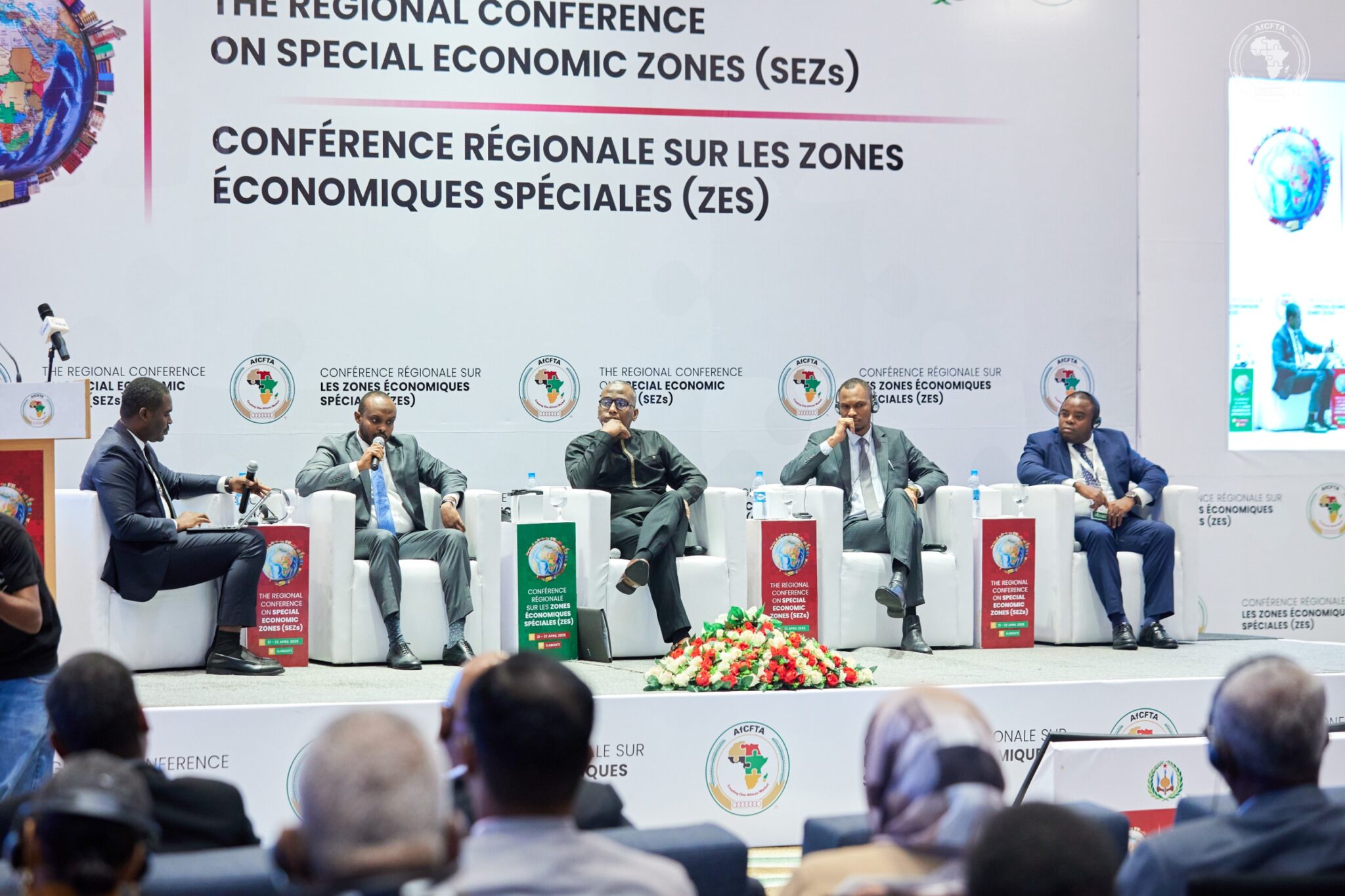
Djibouti City, Djibouti - in the Regional Conference on Special Economic Zones in Djibouti on April 22, 2025, focused on the development of infrastructure and trade corridors across Africa, recognizing their vital role in enhancing connectivity and integration.

Discussions centered on initiatives like the Trans-Africa Land Bridge and the challenges and opportunities in developing the continent’s infrastructure.

Mr. Denis Muganga, Director of Private Sector Investment at the Northern Corridor Transit and Transport Coordination Authority (NCTTCA), highlighted the ambitious Trans-Africa Highway project, spanning 18 to 30 countries with a planned 60,000-kilometer network. “I’m sure most of us have heard about this project, considered as one of the major projects of the century,” Muganga stated. However, he also pointed out the slow progress and challenges hindering infrastructure development in Africa.

Djibouti Hosts Regional Conference, Emphasizes AfCFTA's Role in African Trade

Djibouti City, Djibouti - The Regional Conference on Special Economic Zones commenced its first day on April 21, 2025, in Djibouti, drawing officials and delegates from across Africa. The event highlighted Djibouti’s strategic importance in driving African trade and the critical role of the African Continental Free Trade Area (AfCFTA) in the continent’s economic integration.

The Minister of Trade and Tourism in Djibouti, Mohamed Warsama Dirieh, extended a warm welcome, emphasizing the collaborative spirit of the conference. Minister Dirieh underscored Djibouti’s historical and ongoing commitment to economic integration.

Djibouti: Skills and Technology for Special Economic Zones Growth

Djibouti: Skills and Technology for Special Economic Zones Growth

A compelling afternoon panel session at the Regional Conference on Special Economic Zones in Djibouti focused on the critical role of innovation, technology, and skills development in driving the success of SEZs and broader economic growth across Africa.

The discussion centered on how these three elements can be leveraged to transform SEZs into dynamic hubs of economic activity and contribute to the overall prosperity of the continent.

Njoroge Francis Gitau, Manager of Special Economic Zones in Kenya, emphasized the need for a comprehensive approach to innovation. “It is very critical they don’t see innovation only but also it’s right in the whole sector. Innovation, science, and technology are critical aspects,” Gitau stated. He highlighted Kenya’s commitment to developing its human capital, noting, “We offer training to the youth in Kenya, we understand the issue around capacity building, we ensure we have centers for where to offer trainings.”

Kigali Summit Pledges Universities as Catalysts for Green Development

The International Conference on Green and Sustainable Development (ICGSD 2025) has commenced in Kigali, marking a significant step towards positioning universities as pivotal drivers in achieving the Sustainable Development Goals (SDGs). The conference, hosted by the University of Kigali (UoK) in partnership with North-West University and the University of Fort Hare, has drawn together leading academics, policymakers, industry experts, and advocates to address critical environmental challenges and explore sustainable solutions.

From Slum to Solution: Bishop Wolah Mission to Empower African Women

Bishop Darlington Wolah journey began in the challenging environment of a Liberian slum, where he witnessed firsthand the struggles women faced with menstrual hygiene. These experiences, coupled with a poignant memory of a young girl publicly humiliated during an unexpected period, ignited a passion within him. Now, based in Rwanda, Bishop Wolah is the driving force behind MySafepad, a sexual reproductive health and rights organization dedicated to transforming the lives of women and girls across Africa. MySafepad goes beyond simply providing menstrual products. It’s a holistic approach that encompasses education, access, and sustainable solutions. The organization focuses on menstrual hygiene management, antimicrobial resistance awareness, and supplying healthcare facilities with safe, antimicrobial materials. Recognizing the prevalence of unhygienic practices, especially in rural areas, MySafepad also collaborates with weavers to produce antimicrobial fabrics, ensuring that even everyday materials contribute to better health.

Rwanda: Charting a Digital Trade Future for Africa - IFF 2025

Rwanda: Charting a Digital Trade Future for Africa - IFF 2025

Kigali buzzed with global expertise this Monday, February 24th, as the Inclusive Fintech Forum convened to discuss the transformative power of inclusive technology. A central focus of the day was the panel session, “AfCFTA VISION FOR DIGITAL TRADE,” where leaders from across the continent and beyond shared insights on the future of digital commerce in Africa.

Dr. Talkmore Chidede, Senior Digital Trade Expert at the AfCFTA Secretariat, emphasized the commitment of African leaders to facilitate seamless digital trade transactions. “We are ensuring digital trade happens, continent-wide,” he declared. “This demonstrates a powerful political will.” He outlined key elements of the AfCFTA’s digital trade protocol, including rules of origin, digital identities for border crossing, cross-border digital payments, and online safety and security. “This protocol gives you a license to operate in all African markets. That’s the essence of this digital market,” Dr. Chidede explained. “But we need to do more. The next step is to ensure these commitments benefit everyone.”

Kigali Institute of Professional Brokers, Shaping the Future of Rwanda's Brokerage Sector

The brokerage sector in Rwanda is growing quickly, offering great opportunities for people with the right skills. But even with this growth, there are still challenges, especially when it comes to professionalism and ethics. Kigali Institute of Professional Brokers (KIPB) is leading the way in fixing these issues. They are dedicated to teaching future brokers the knowledge, skills, and ethical standards needed to succeed in Rwanda’s financial markets.

KIPB is committed to offering a range of programs designed to provide aspiring brokers with a strong foundation in both the theory and practice of financial markets. Whether you’re a complete beginner or have some experience in the field, KIPB offers tailored programs to meet the needs of all learners.

Rwanda: Young CEOs & Professionals Launch Financial Literacy Program in Kigali

On Sunday, January 19, 2025, Kigali, Rwanda played host to a dynamic gathering of young CEOs and business professionals at a significant event aimed at discussing and promoting the importance of financial literacy. The event,  brought together industry leaders, entrepreneurs, and thought leaders to tackle pressing challenges and opportunities in the business world around the theme “Awareness & Understanding the Importance of Financial Literacy,” The day was marked by the official launch of a nationwide financial literacy program, a significant step towards empowering the next generation of entrepreneurs.

Reducing Food Waste through Innovation: Rwanda’s Call to Action

Kigali, On September 23, 2024, the 2nd Rwanda Science, Technology, and Innovation (STI) Conference took place at the Kigali Convention Center.

The two-day event brought together industry leaders, researchers, and policymakers to explore technological innovations in agriculture under the theme, “Promoting Climate-Resilient Agriculture through Science, Technology, and Innovation for Improved Food Security and Nutrition.”

Minister of Agriculture and Animal Resources, Dr. Ildephonse Musafiri addressing participants at the 2nd STI Conference

Rwanda ranks among top African destinations for private investment in third quarter of 2024

Rwanda has emerged as one of the leading destinations for private investment in Africa, securing a prominent position in the latest Stears Private Capital in Africa Report for the third quarter of 2024.

The report, which analyzes private market transactions across the continent, highlights the continued vibrancy of Africa’s private capital landscape.

In Q3 2024, a total of 73 private market deals were recorded, with 39 of them disclosing a combined value of $2.27 billion.