South

Africa: Innovating for a Secure and Stable African Future

Kigali, Rwanda from 19th - 20th May 2025, leaders and companies focused on safety met in Kigali. AfricanUpdates talked to some of them. Everyone agreed: for Africa to be safer, countries need to make more of their own security gear. They also need to use new tools and work together better.

Africa faces many tough challenges. Today, over 37 million people in Africa have fled their homes because of fighting. Millions more are displaced inside their own countries. Sudan, Congo, and the Sahel region still see lots of trouble. This shows how much more security is needed. Still, some places are quite safe. Rwanda, for example, has made big strides since its past troubles. Countries like Ghana and Botswana are also known for being peaceful.
Kigali Summit Calls for African-Led Security Solutions

A high-level gathering convened in Kigali on 19th May, 2025, as the International Security Conference on Africa (ISCA) opened its doors, drawing a diverse and influential audience. The conference is poised to redefine the narrative around African security.

President Paul Kagame declared the forum “long overdue,” emphasizing the need for the continent to chart its own course in peace and security.

The event attracted key figures from across Africa and beyond. Notably, the Secretary-General of La Francophonie joined the assembly, alongside prominent members of security forces, including top-ranking army and police officials. Delegates filled the Kigali Convention Centre, signaling the weight of the issues at hand.

The Role of Accountants in Creating African Value Digitally

Friday, on 9th of May 2025, in Kigali, Rwanda, the Institute of Certified Public Accountants of Rwanda (ICPAR) celebrated the launch of its new building, an event that drew attendees from across the continent who were also present for the Africa Congress of Accountants (ACOA) 2025. Against the backdrop of this milestone, a crucial question took center stage: the pivotal role of accountants in achieving Africa’s aspiration of ‘creating value for Africa,’ and the ways in which ICPAR is championing technology to realize this vision.

Rwanda: Tech, Training, and Growth Highlighted by ACOA Exhibitors

The bustling city of Kigali became a central point for the future of African finance as the 8th Africa Congress of Accountants (ACOA) unfolded. With a rising number of individuals pursuing higher education across Africa, the congress provided a vital platform for exhibitors to showcase innovations and build crucial connections within the accountancy sector. The growing demand for skilled financial professionals, driven by economic expansion and increasing regulatory complexity, was evident as companies presented their solutions and visions for the continent.

Over 2,000 Accountants Unite in Rwanda for ACOA 2025

KIGALI, Rwanda Over 2,000 professional accountants and key stakeholders from more than 65 countries have gathered in Kigali for the 8th Africa Congress of Accountants (ACOA). The event, taking place from May 6th to 9th, 2025, at the Kigali Convention Center (KCC), is hosted by the Institute of Certified Public Accountants of Rwanda (ICPAR) in collaboration with the Pan African Federation of Accountants (PAFA). This landmark event is designed to foster connection, learning, and innovation within the accountancy ecosystem.

Unlocking Trade in Landlocked Countries via SEZs and AfCFTA

Landlocked countries in Africa, like Rwanda, have historically faced significant hurdles in international trade. Geographic limitations often translate to higher transportation costs, longer transit times, and reduced competitiveness in the global market. However, a new era of opportunity is dawning, fueled by the rise of Special Economic Zones (SEZs) and the implementation of the African Continental Free Trade Area (AfCFTA). These initiatives hold the promise of transforming these disadvantages into springboards for economic growth and diversification.

Djibouti: Africa Focuses on Infrastructure for Trade Boost

Djibouti City, Djibouti - in the Regional Conference on Special Economic Zones in Djibouti on April 22, 2025, focused on the development of infrastructure and trade corridors across Africa, recognizing their vital role in enhancing connectivity and integration.

Discussions centered on initiatives like the Trans-Africa Land Bridge and the challenges and opportunities in developing the continent’s infrastructure.

Mr. Denis Muganga, Director of Private Sector Investment at the Northern Corridor Transit and Transport Coordination Authority (NCTTCA), highlighted the ambitious Trans-Africa Highway project, spanning 18 to 30 countries with a planned 60,000-kilometer network. “I’m sure most of us have heard about this project, considered as one of the major projects of the century,” Muganga stated. However, he also pointed out the slow progress and challenges hindering infrastructure development in Africa.

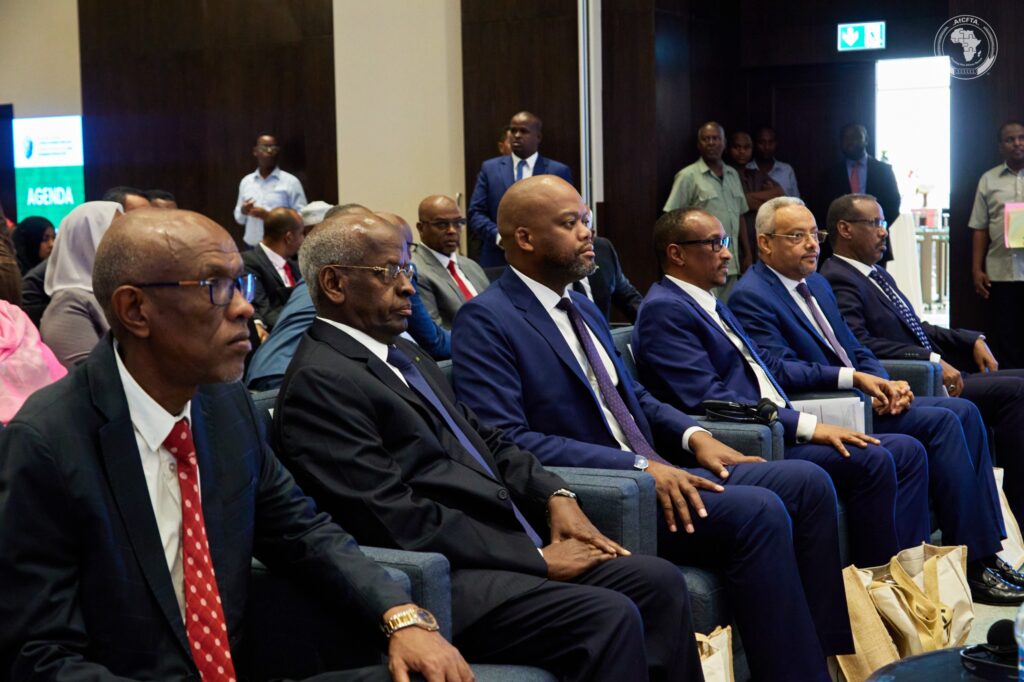
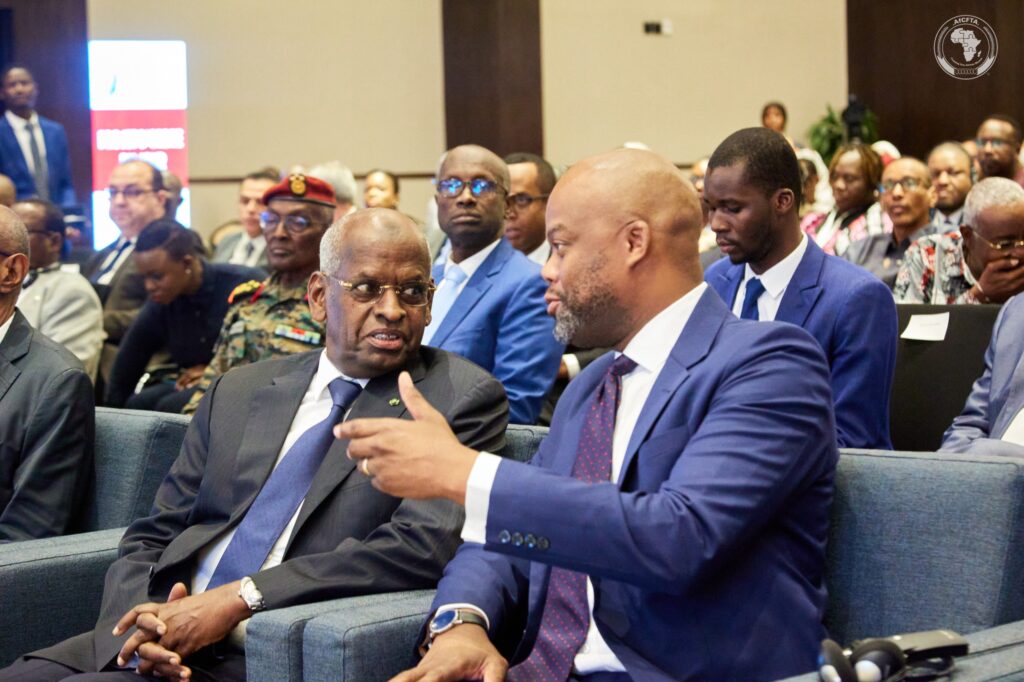
In Picture: Day 1 of the Regional Conference on Special Economic Zones- Djibouti

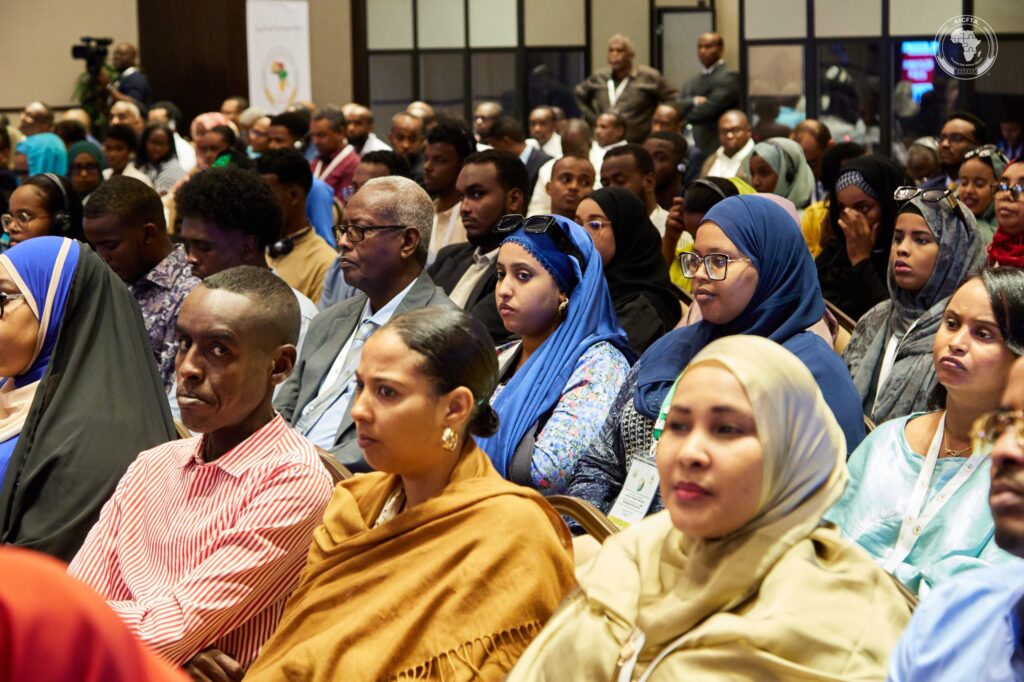
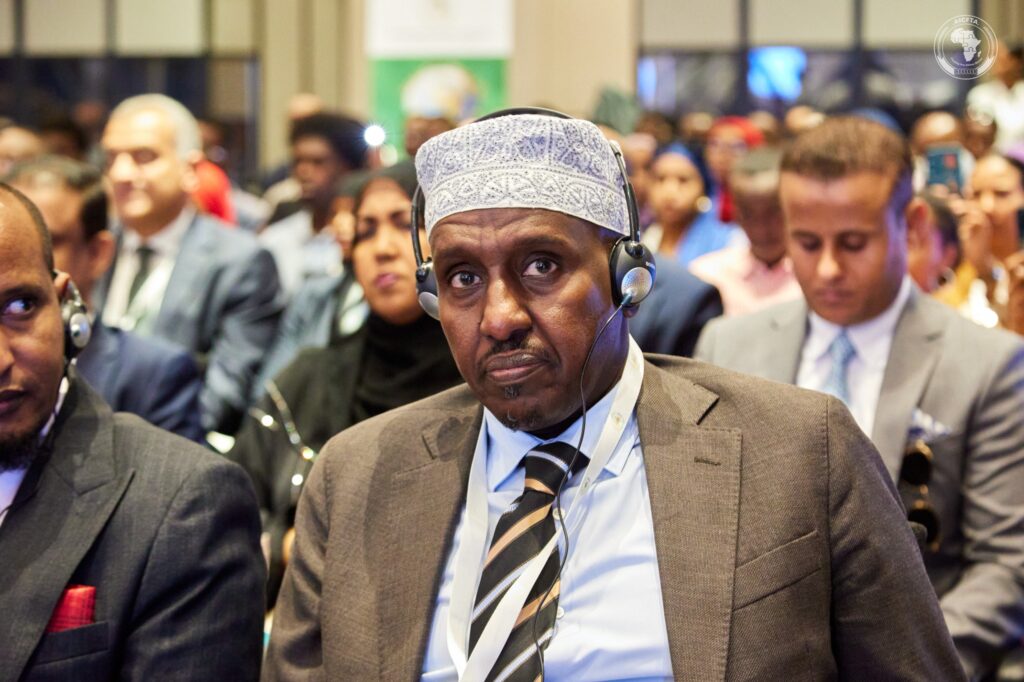
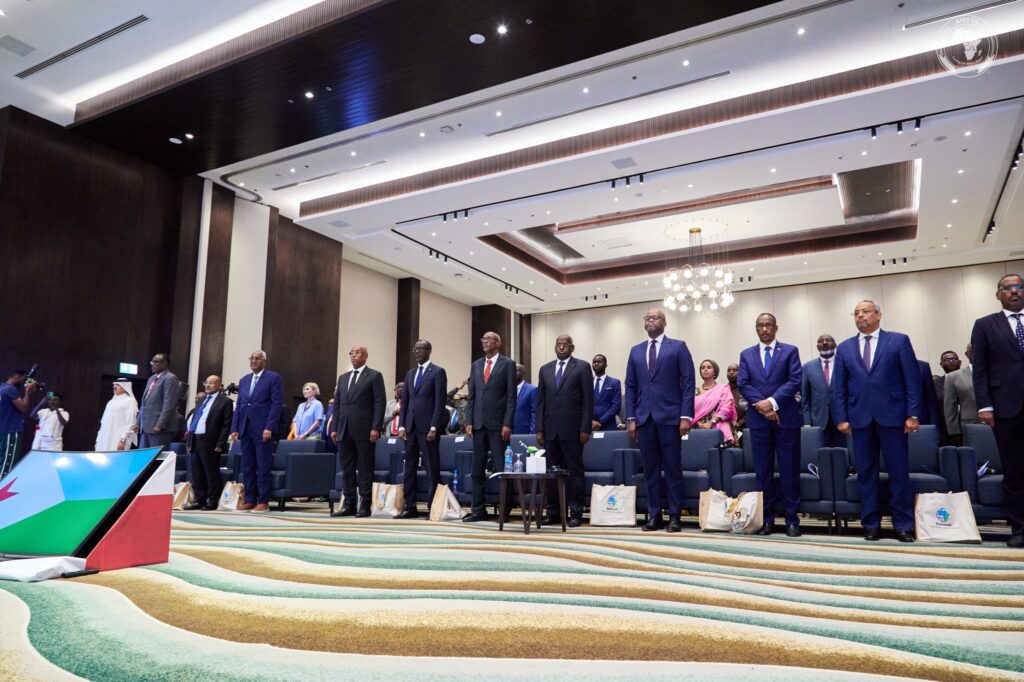
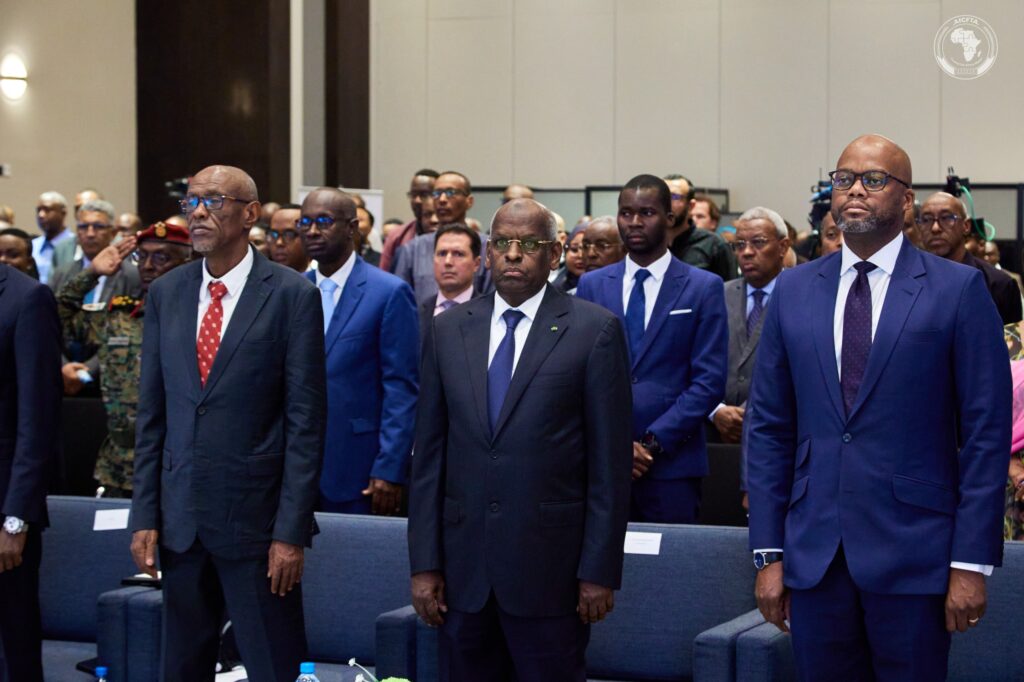
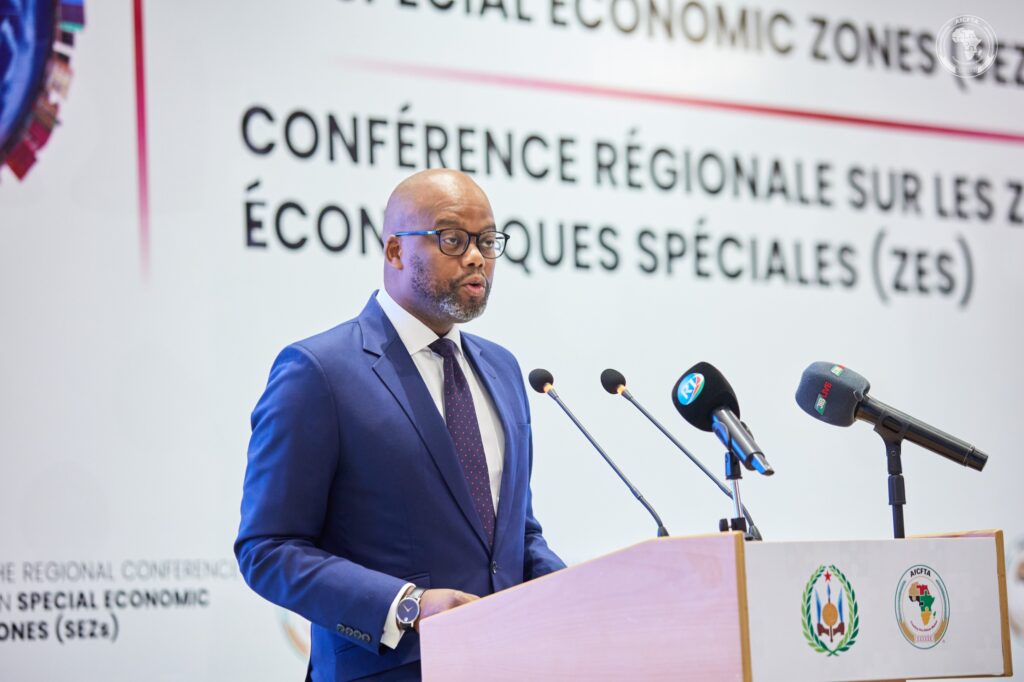
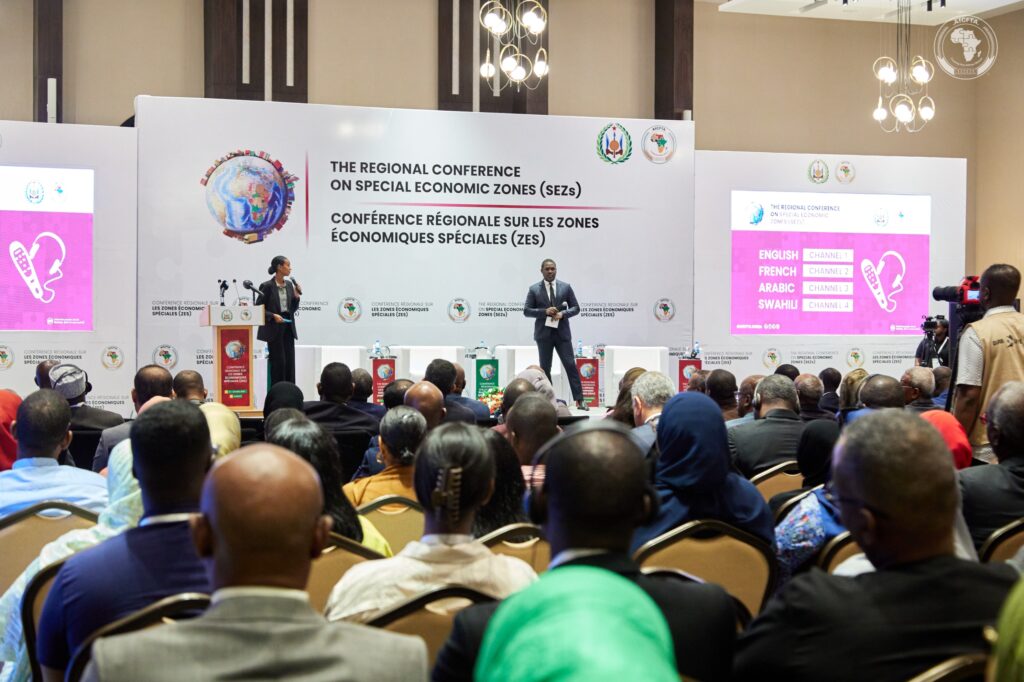
Day 1 of the Regional Conference on Special Economic Zones in Djibouti highlighted the critical role of the AfCFTA in driving African trade and economic integration. Discussions emphasized the importance of innovation, technology, and skills development for the success of SEZs, with a key panel session focusing on these drivers of growth.

[caption id=“attachment_31947” align=“alignnone” width=“1024”] Wamkele Mene, Secretary General of the AfCFTA[/caption]
Djibouti Hosts Regional Conference, Emphasizes AfCFTA's Role in African Trade

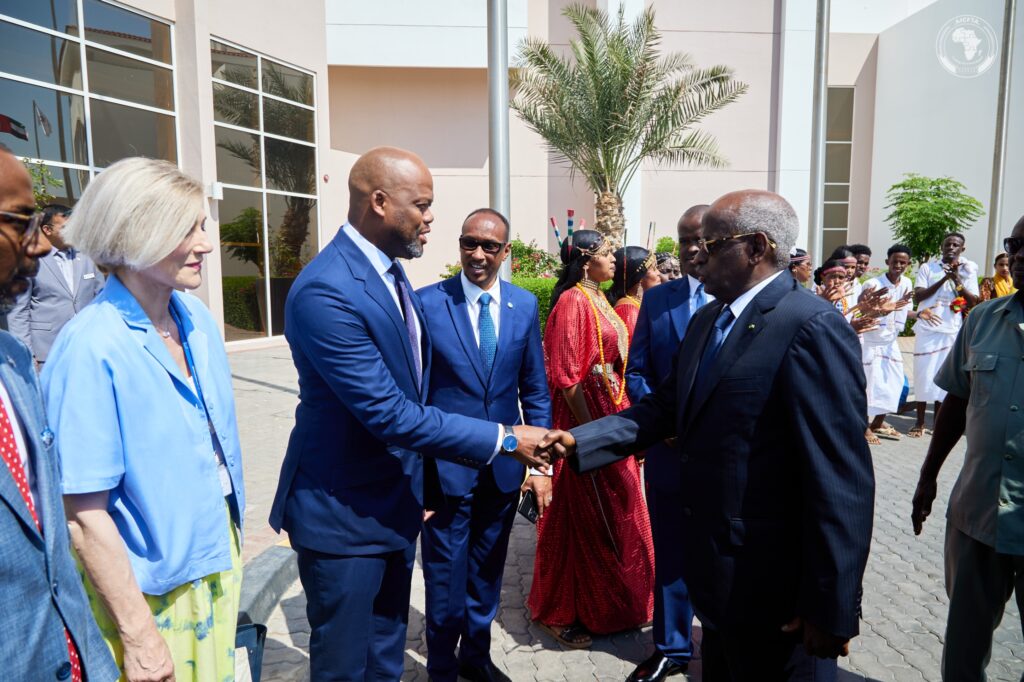
Djibouti City, Djibouti - The Regional Conference on Special Economic Zones commenced its first day on April 21, 2025, in Djibouti, drawing officials and delegates from across Africa. The event highlighted Djibouti’s strategic importance in driving African trade and the critical role of the African Continental Free Trade Area (AfCFTA) in the continent’s economic integration.

The Minister of Trade and Tourism in Djibouti, Mohamed Warsama Dirieh, extended a warm welcome, emphasizing the collaborative spirit of the conference. Minister Dirieh underscored Djibouti’s historical and ongoing commitment to economic integration.

Djibouti: Skills and Technology for Special Economic Zones Growth

Djibouti: Skills and Technology for Special Economic Zones Growth

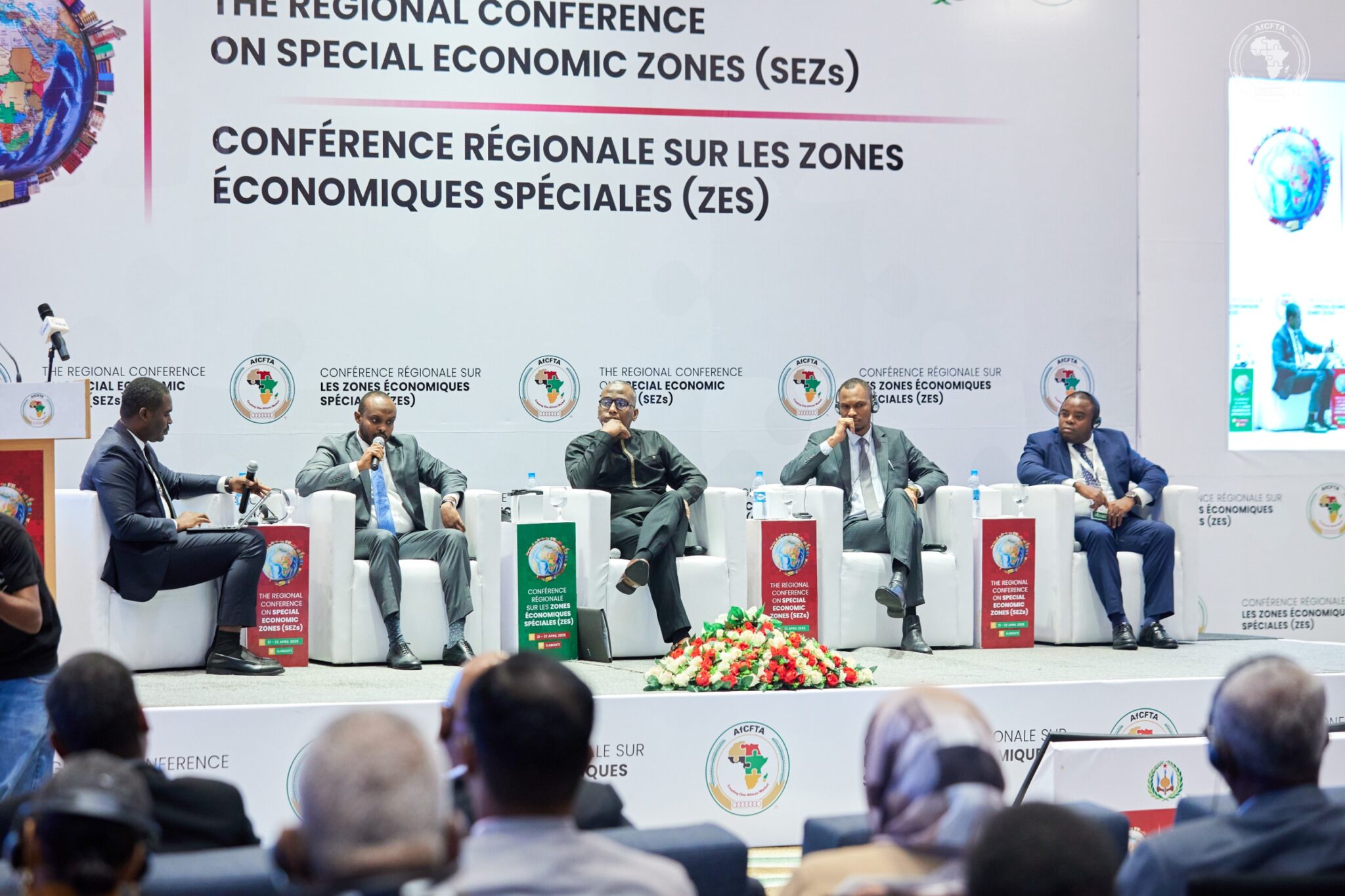
A compelling afternoon panel session at the Regional Conference on Special Economic Zones in Djibouti focused on the critical role of innovation, technology, and skills development in driving the success of SEZs and broader economic growth across Africa.

The discussion centered on how these three elements can be leveraged to transform SEZs into dynamic hubs of economic activity and contribute to the overall prosperity of the continent.

Njoroge Francis Gitau, Manager of Special Economic Zones in Kenya, emphasized the need for a comprehensive approach to innovation. “It is very critical they don’t see innovation only but also it’s right in the whole sector. Innovation, science, and technology are critical aspects,” Gitau stated. He highlighted Kenya’s commitment to developing its human capital, noting, “We offer training to the youth in Kenya, we understand the issue around capacity building, we ensure we have centers for where to offer trainings.”