Why More Rwandans Should Pay Attention to the National Budget
Every year in Rwanda, the government unveils a national budget worth trillions of francs, outlining how public money will be collected and spent. While the announcement often attracts national attention for a short period, many citizens remain disconnected from the process despite the direct impact budget decisions have on their daily lives.
The national budget influences nearly every sector of the economy, including healthcare, education, agriculture, infrastructure, transport and employment. It determines which projects receive funding, where public investment is directed and how government priorities are shaped.
Mutuyimana Donata, a 46-year-old vendor at Kimironko Market in Kigali, says she has heard about the national budget many times but never fully understood what it means.
“I do not really understand the national budget because it seems very complicated. I always thought it was something meant for leaders and Members of Parliament, not ordinary citizens like me,” she said.
[caption id=“attachment_44599” align=“alignnone” width=“598”]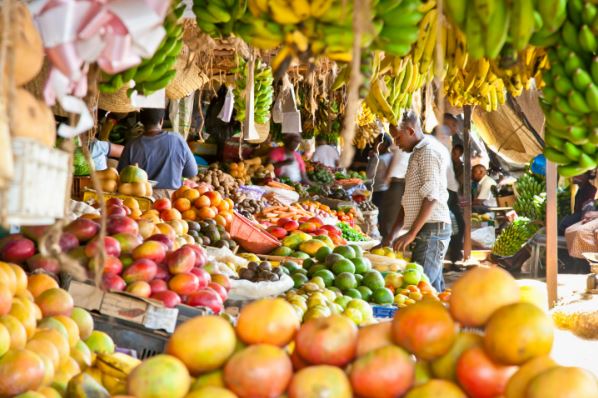 A local market full of fresh fruits, where public spending and daily life meet[/caption]
Her perspective reflects a wider challenge facing public finance communication in Rwanda, where many citizens still view budget discussions as highly technical government matters rather than issues directly connected to their own lives.
Economic analysts argue that this perception limits public participation and weakens accountability, especially as budget decisions increasingly influence the cost of living, taxes and access to public services.
Across East Africa, public engagement in national budget discussions has been growing steadily. In neighboring Kenya, debates around taxation and public spending have become central public issues, particularly among young people concerned about unemployment, inflation and public debt.
Uganda has also invested heavily in promoting public understanding of government spending. According to the 2023 Open Budget Survey, Uganda scored 59 out of 100 on budget transparency while Rwanda scored 50, suggesting there is still room to strengthen citizen engagement and awareness around public finance.
Experts say understanding the budget is important because it helps citizens evaluate whether national priorities reflect public needs.
When funding for healthcare increases, hospitals may receive more equipment and services. When infrastructure spending rises, roads and transport systems can improve. Budget cuts in certain sectors may also affect social programs, sports development, education or local projects.
As Rwanda continues implementing ambitious development projects and expanding public investment, experts believe citizen understanding of the national budget will become increasingly important.
[caption id=“attachment_44595” align=“alignnone” width=“655”]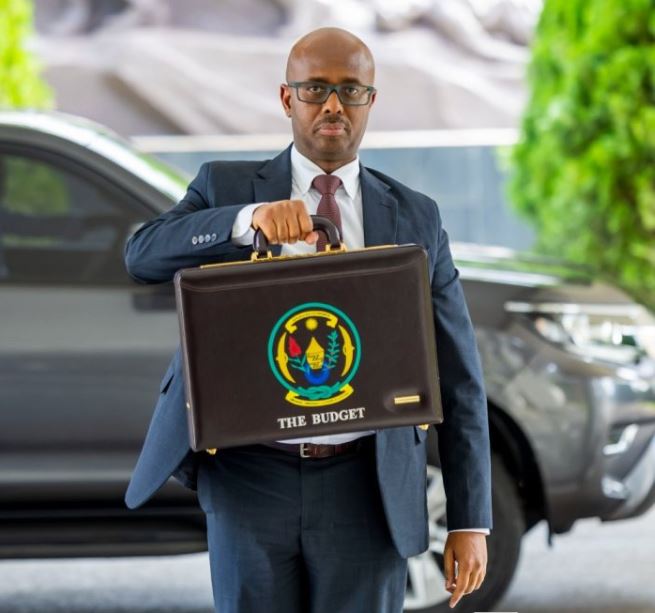 Rwanda’s Finance Minister Yusuf Murangwa presenting the national budget to Parliament[/caption]
Denyse Mbabazi Mpambara / African Updates